Concert Earplugs Compared: Fit, Sound Quality and Noise Reduction
Four reusable concert earplugs balance lower volume with clear music; fit, attenuation and carry cases help distinguish them.
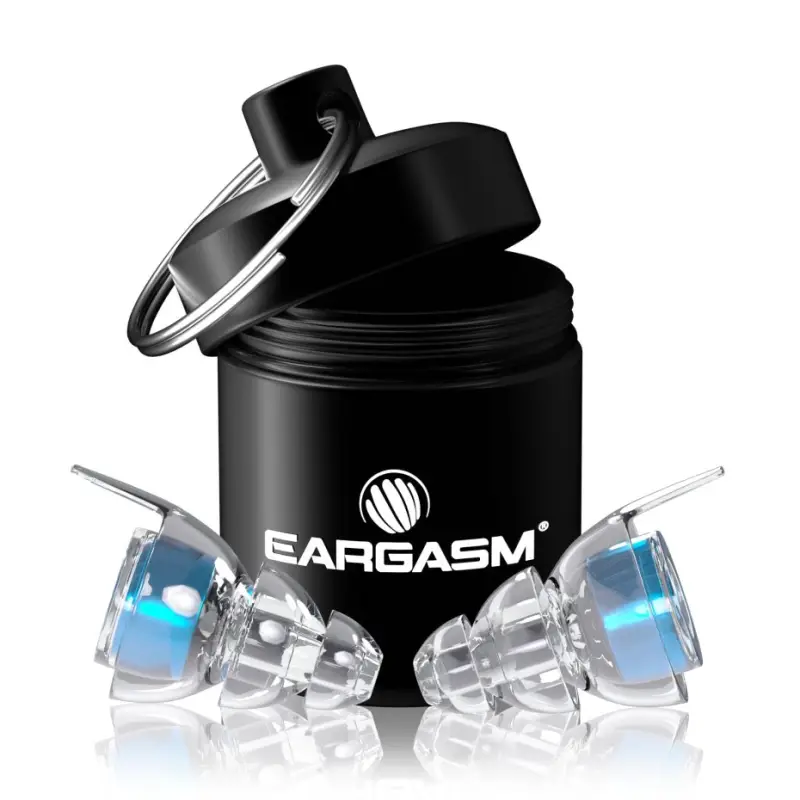
Live music can reach 94 to 110 decibels, and hearing damage can begin after only a few minutes at those levels. Concert earplugs reduce sound while aiming to preserve the music’s balance, making their fit and filter design as important as how much volume they cut.
Foam plugs often reduce higher frequencies more than lower ones, which can leave music sounding muffled. Concert models use filters designed to lower sound more evenly. That can help listeners follow vocals and instruments at a lower volume, though the degree of attenuation varies by product and fit.
A hands-on comparison of four models at live shows and in everyday settings focused on sound quality, comfort, and ease of insertion and removal. The results point to different trade-offs: some listeners may prioritize a secure fit for dancing, while others may want a compact case or stronger attenuation.
Four models for live music
Eargasm High Fidelity Earplugs
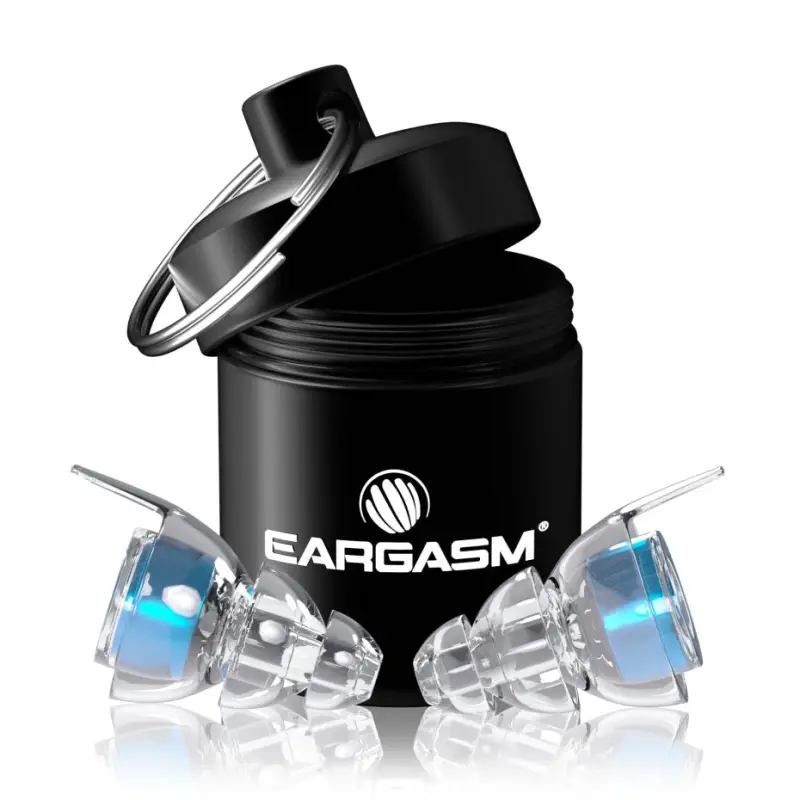
At a loud outdoor show, these reduced the overall level while leaving the bass line and singer’s voice distinct. The listening impression was of quieter music without the muddy quality often associated with foam plugs.
Fit took some trial and error. The package includes two shell sizes, and switching to the smaller one produced a snug seal without pinching or soreness during a two-hour show. Once fitted, the plugs were quick to insert and remove.
- Advantages: Clear instrument separation, two shell sizes, and a metal case that can clip to a keychain.
- Trade-offs: Finding the right shell may take a few tries; the small plugs can be misplaced, and their blue color is conspicuous.
The carry case proved useful for keeping the pair accessible before entering a venue. These may suit frequent concertgoers or band players who want reusable protection close at hand. No attenuation figure is given here, so buyers should check the product’s current specifications and compare them with the sound levels they expect to encounter.
Loop Experience 2
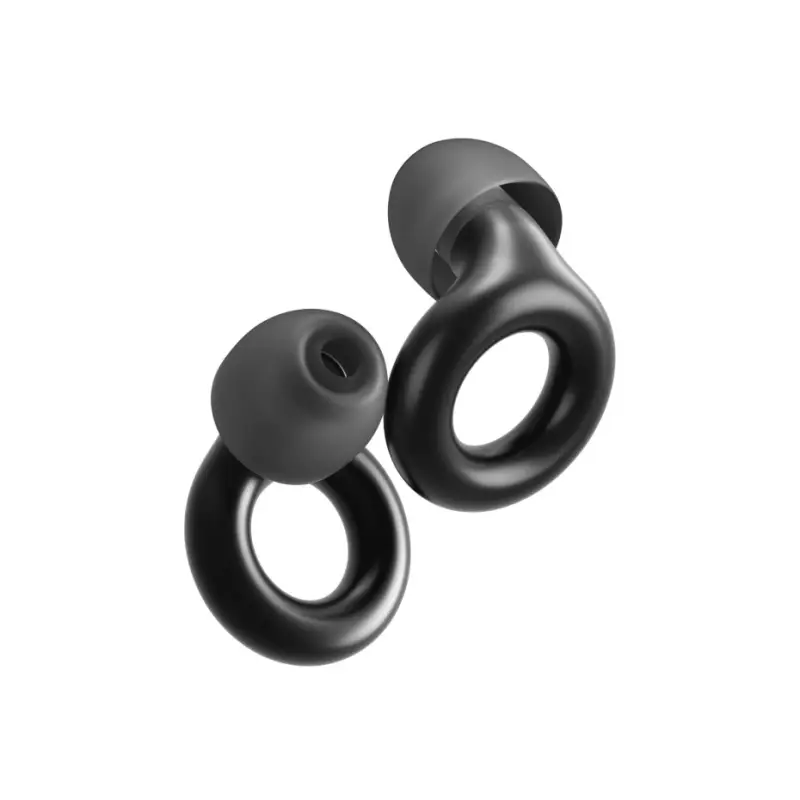
Loop Experience 2 is rated at 17 dB SNR. During a concert, it softened the sound while keeping vocals and bass clear, and the listener’s ears felt less overwhelmed by the end of the night. The rating may feel modest for people seeking a stronger reduction at very loud venues.
Four silicone tip sizes provide options for getting a secure fit without pressure. The plugs are inserted with a push and small twist. During hours of dancing, they stayed in place and did not feel bulky or likely to fall out.
- Advantages: Clear sound, a secure fit during movement, and four tip sizes.
- Trade-offs: The 17 dB SNR may be too mild for some loud settings; small parts can be awkward to clean, and the compact case is easy to lose.
The small case can clip onto a keychain, bag, or pocket for convenient carry. This model’s appeal is its balance: it’s intended to lower live sound while preserving the listening experience, rather than block out as much sound as possible. The stated rating gives buyers a useful comparison point, but the fit still matters to how the plugs work in practice.
Hearprotek Concert Ear Plugs
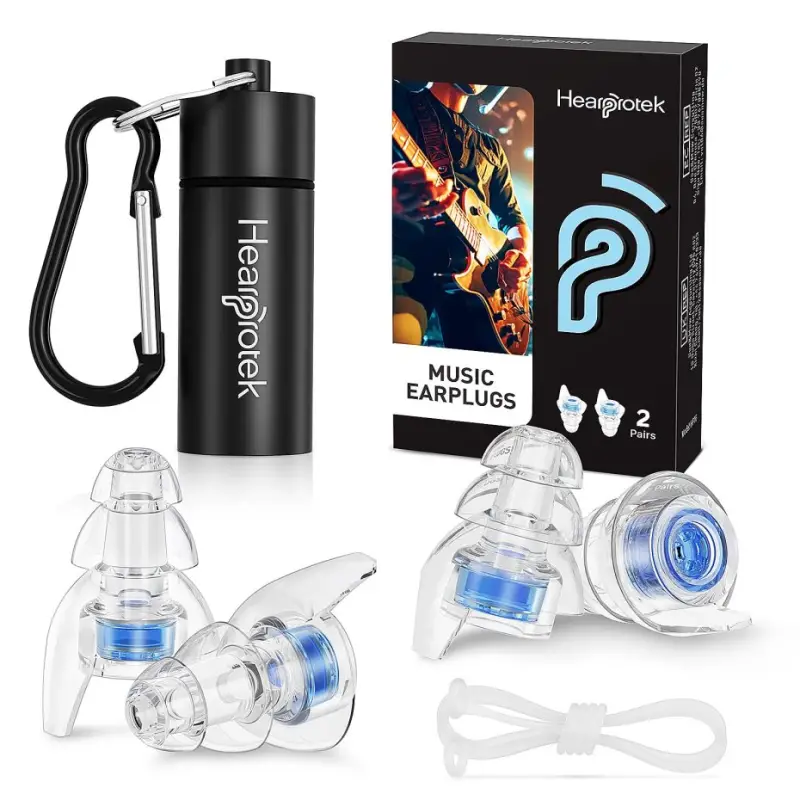
At a crowded venue, these lowered the volume without obscuring the vocals or bass. The silicone tips remained comfortable over several hours, and the curved shape stayed put while the wearer moved around.
- Advantages: Clearer music than with muffling foam plugs, two tip sizes, a compact aluminum case, and a backup pair.
- Trade-offs: The plugs may not offer enough attenuation for very high noise levels; the fit can take adjustment, and some people may not want the included cord.
The case clip can attach to a bag, which helps keep the plugs available during a night out. The pair’s reported performance suits concerts, clubs, and band practice where preserving music detail matters. The comparison does not give a numerical attenuation rating, so the product’s stated specifications should guide anyone who needs to assess it for a particular environment.
Yawsoy Concert Ear Plugs
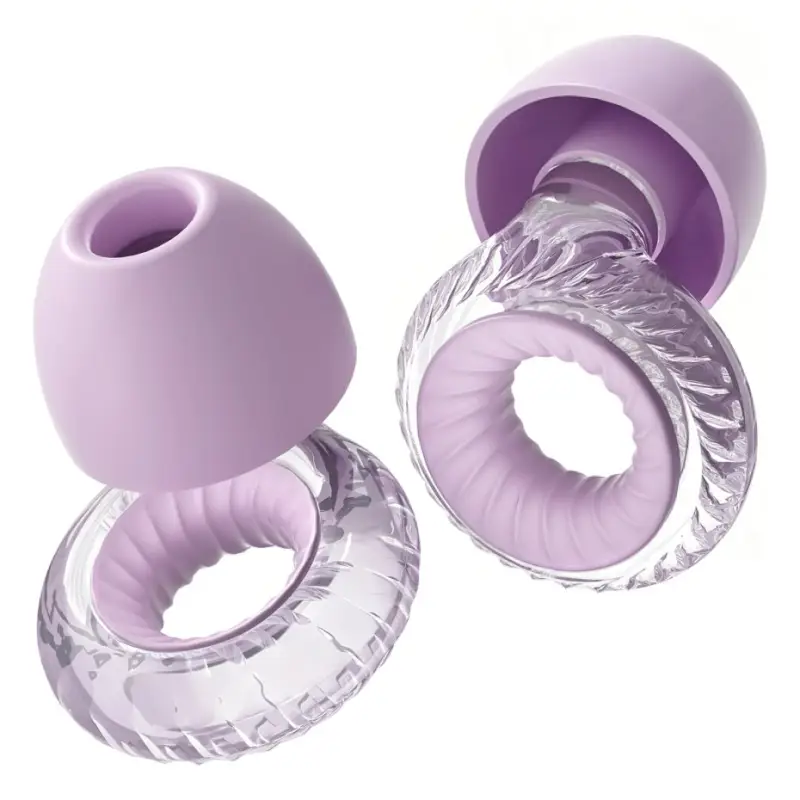
These are rated for 20 dB reduction. At a crowded club show, the sound stayed natural enough to pick out the singer and bass line. The listener reported no painful ringing afterward, though that experience alone doesn’t establish how the plugs will perform for every wearer or venue.
Three tip sizes allow users to test for a seal that feels secure without excessive pressure. Once the right size was selected, the plugs stayed in place while dancing. The wearer reported little pressure or irritation during a three-hour set.
- Advantages: Full sounding music, comfortable silicone tips, multiple sizes, and two pairs in the kit.
- Trade-offs: The 20 dB rating may not be enough near speaker stacks; the small parts need to be kept in their case, and the purple color may not appeal to everyone.
The case clips to a bag, and the second pair provides a spare or one to keep at home. For typical live music and crowd noise, the reported experience was positive. People who expect to stand near loud speakers may prefer to compare products with higher stated attenuation.
Choosing by fit and attenuation
The noise reduction figure is a useful starting point. The buying guidance in this comparison recommends 15 to 25 dB for concerts as a balance between lowering volume and retaining musical detail. The products listed here include stated ratings of 17 dB SNR for Loop Experience 2 and 20 dB for Yawsoy; no figures are provided for the Eargasm or Hearprotek models in the test notes.
Check the rating and how it is expressed on the product before comparing models. A number alone can’t settle whether a plug is right for a particular venue: the fit must form a good seal, and the amount of reduction a listener wants will vary. A poor seal can let sound leak in, while an overly tight tip can become uncomfortable over a long set.
Filter design also affects what the music sounds like. Concert plugs with more even attenuation aim to lower sound without disproportionately reducing higher frequencies. That makes them a different listening choice from foam plugs, which can muffle music. Comfort and sound quality are personal, so tip options are useful for finding a fit that can be worn throughout a performance.
Comfort, reuse and carry
Silicone tips and several size options appear across these products. Reusable plugs can be a practical choice for people who attend shows often, while a fitted case helps keep them clean and easy to find. Clips or keychain cases reduce the chance of leaving them in a bag, but small cases and plugs can still be misplaced.
Price alone doesn’t indicate how well a pair will suit a listener. Compare the stated attenuation, available tip sizes, filter design, and case, then weigh those details against the conditions where the plugs will be used. The best fit is the one that stays comfortable and secure while bringing the sound down to a level the wearer can tolerate.
 AMD Venice Uses 2.5D Packaging to Feed More Bandwidth Into EPYC Zen 6
 CNC Controller Board Design: Interfaces, PCB Specs and Assembly Testing
 Stratasys and Nano Dimension End $42.5 Million Markforged Sale Agreement