AVIMETAL’s Xuzhou Park Adds Titanium Powder Lines and LPBF Printer Production
AVIMETAL’s expanded Xuzhou site combines metal powder and printer production, with capacity targets of 10,000 tons of powder and 1,000 printers a year.
AVIMETAL is bringing metal powder production and laser powder bed fusion (LPBF) printer manufacturing together at its expanded industrial park in Xuzhou, Jiangsu Province. The site’s third phase has entered operation, adding factory and research space as the company works toward a larger production footprint. The expansion matters because powder properties and machine performance are closely linked in metal additive manufacturing: coordinating both can shorten the distance between material development and print process adjustments.

The company has not yet demonstrated what that coordination will deliver in production, and several new lines are still being installed and commissioned. Its stated long-term targets are 10,000 tons of metal powder and 1,000 3D printers annually. AVIMETAL has not provided a schedule for reaching either figure.
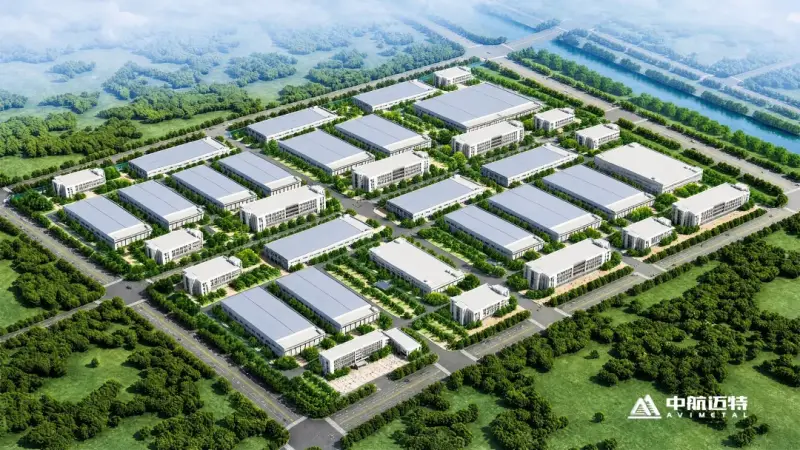
Three phases under one roof
Construction at the Xuzhou Airport Economic Development Zone began in 2020. The park now covers more than 300 acres, with 100,000 square meters of production space completed toward a planned 200,000 square meters of total building area. Phase III added one research and development office building and three factory buildings.
On the materials side, AVIMETAL says it is adding more than 20 powder production lines focused on titanium alloys and high-temperature alloys. The company also plans to industrialize recycling of titanium alloy waste. The source provides no details on the recycling process, feedstock specifications, or expected recovered powder volumes, so its eventual contribution to material supply is not yet quantifiable.
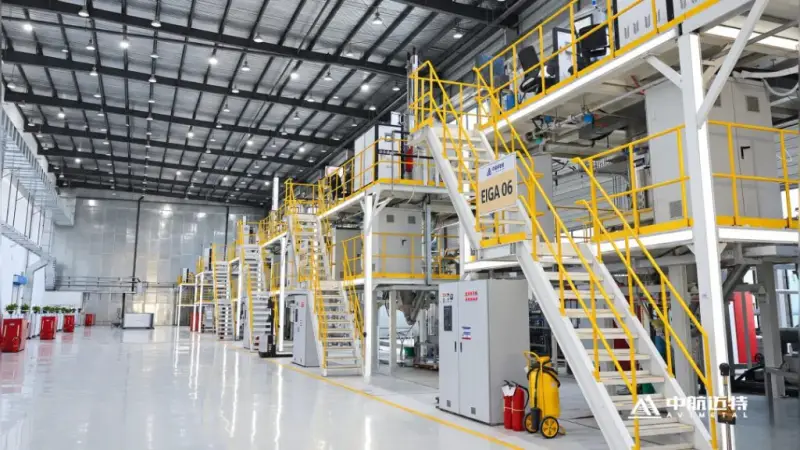
For printer production, workshops already operating elsewhere have been relocated to the park. More than 10 LPBF printer models are being installed, tested, and verified there. Their build sizes extend up to 1,500 mm; AVIMETAL has not specified the measurement axis or provided model-by-model build envelopes.
Current capacity and stated targets
Across all three phases, AVIMETAL says it has added capacity for 2,000 tons of titanium alloy and high-temperature alloy powders and can produce 300 3D printers annually. Those figures describe the combined development; the company has not separated out Phase III’s individual contribution.
The next stated targets—10,000 tons of powder and 1,000 printers per year—would represent a substantial increase if achieved. They are capacity goals, not current output figures, and no timeline has been attached to them. For now, the practical measure of progress will be how quickly the added lines complete commissioning and begin production in batches.
Putting powder, atomization equipment, printer manufacturing, and application services at one site could help teams investigate interactions between material and machine settings. In LPBF, powder characteristics such as particle size distribution and flowability affect how consistently a powder layer spreads. Layer quality, in turn, influences melt behavior and the resulting part’s density and mechanical properties. A shared site may make it easier for materials and process teams to work through those variables together.
Co-location alone does not establish tighter tolerances or better part properties. Those outcomes depend on the powder specifications, machine controls, process parameters, and qualification evidence for particular applications. AVIMETAL has not reported test results or comparative production data for the expanded park. The benefit remains a plausible operational advantage to be assessed as the new facilities come online.
Supply control is part of the rationale
Running material and machine businesses together can also give a manufacturer more direct control over powder availability. That may matter when a printer’s production schedule depends on materials that are difficult to source or qualify. The same strategic logic has appeared elsewhere in the sector: German industrial printer manufacturer EOS completed its acquisition of Austrian metal powder producer Metalpine, gaining full ownership after previously holding a partial stake. The move strengthened EOS’s access to titanium powder and Metalpine’s atomisation technology, amid customer demand that had exceeded supply capacity.
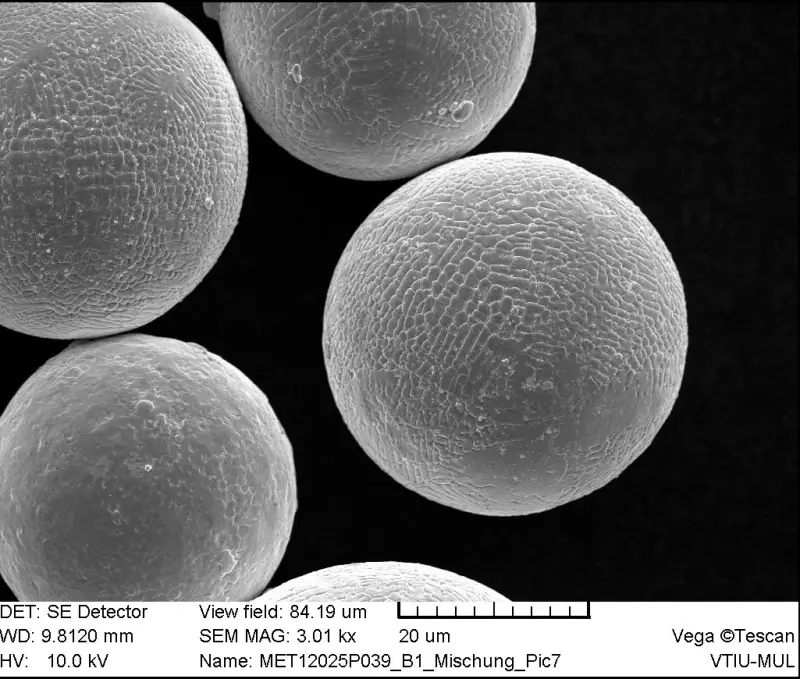
AVIMETAL’s approach centers on physical consolidation at Xuzhou rather than a change in ownership between separate businesses. The company’s site combines alloy raw materials, powder production, atomization furnaces, printer manufacturing, and application services within one operating footprint. That arrangement could support closer coordination across development and production, though its effect on qualification time, supply reliability, or serial manufacturing has not yet been reported.
The next useful indicators will be the commissioning status of the new powder and printer lines, actual production volumes, and evidence that materials and machines are being qualified together for defined applications. Until those details emerge, the park’s scale and capacity targets describe the industrial ambition; the results will depend on equipment ramp-up and demonstrated production performance.
 AMD Venice Uses 2.5D Packaging to Feed More Bandwidth Into EPYC Zen 6
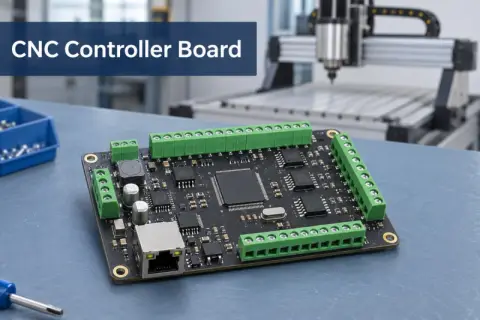 CNC Controller Board Design: Interfaces, PCB Specs and Assembly Testing
 Stratasys and Nano Dimension End $42.5 Million Markforged Sale Agreement