EBest Circuit Showcases PCB Assembly Capabilities at Canton Fair 2026
At Canton Fair 2026, EBest Circuit presented PCBA samples and discussed manufacturing, inspection and testing needs across multiple industries.
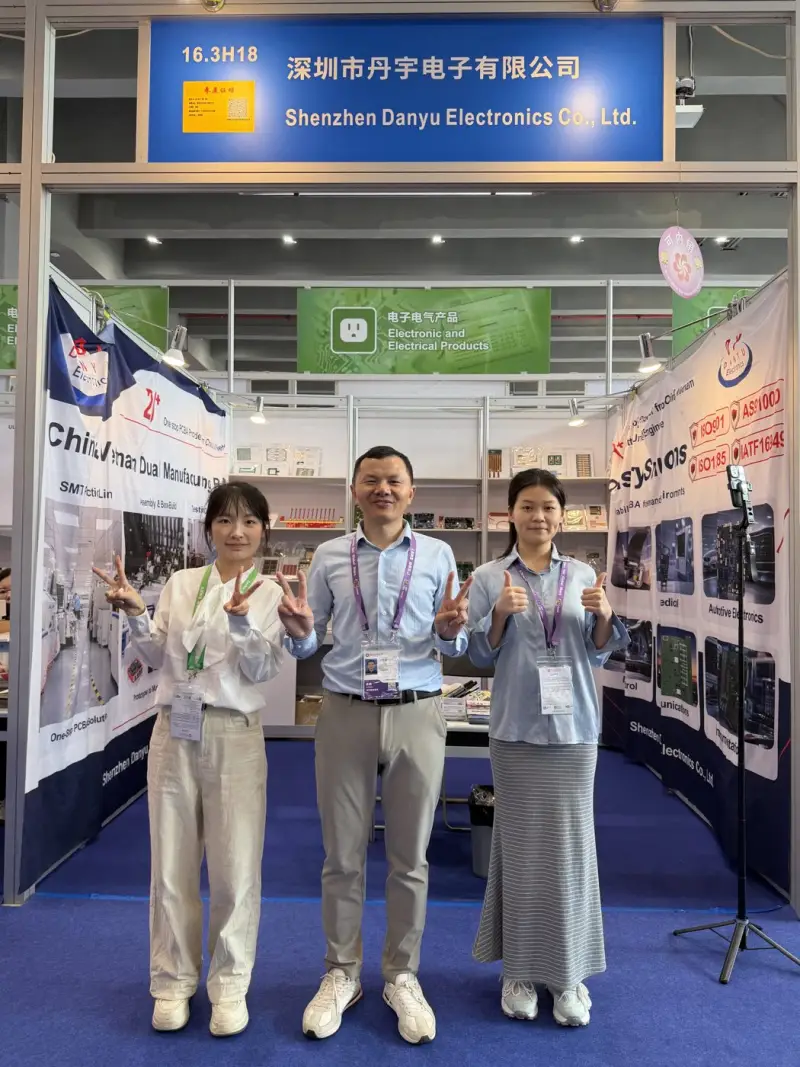
EBest Circuit’s Canton Fair 2026 Autumn exhibit put assembled circuit boards at the center of discussions about electronics manufacturing. From October 15 to 19, the company met visitors at Booth 16.3H18 in Area C of the China Import and Export Fair Complex in Guangzhou, presenting PCBA samples and discussing how projects move from board fabrication through assembly and testing.
The conversations addressed practical production questions: component availability, board construction, inspection coverage, traceability, lead time and plans for scaling output. Those details shape manufacturing choices, and a physical board can make them easier to discuss than a drawing alone.
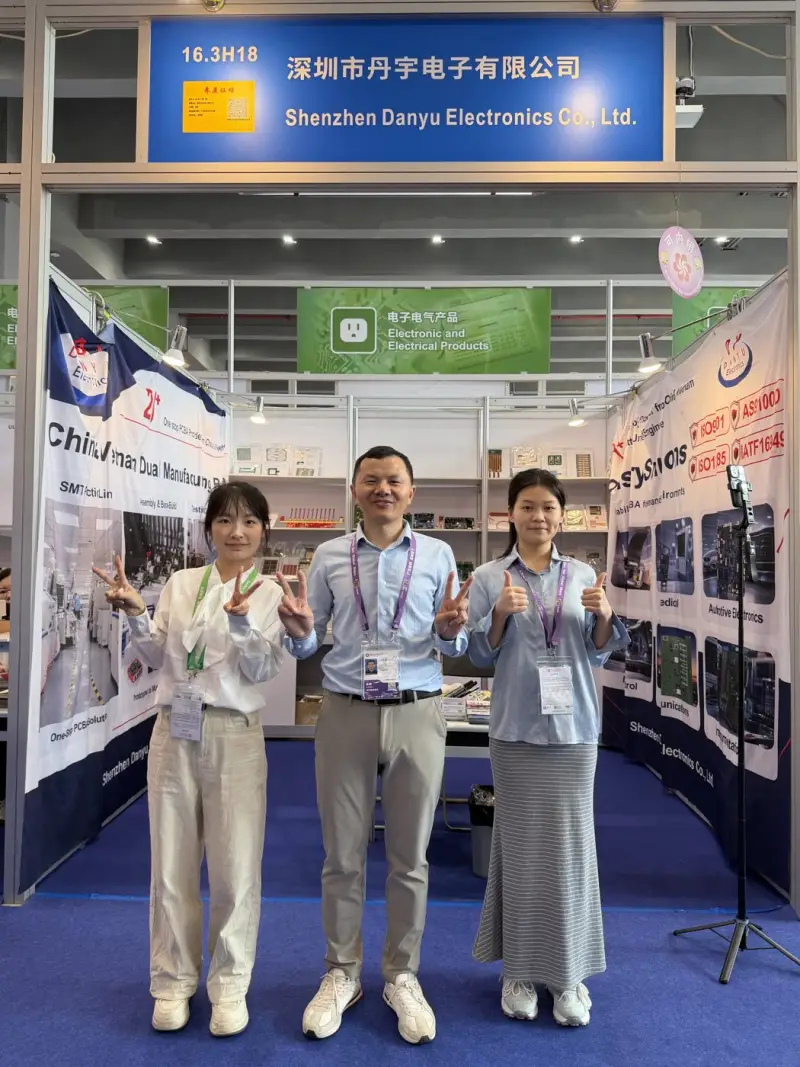
From bare boards to finished assemblies
EBest Circuit presented its work across the electronics production chain, including PCB assembly, component sourcing, SMT and through-hole assembly, prototype builds and volume production. The company also discussed AOI and X-ray inspection, functional testing, conformal coating, cable assembly and box-build work.
Its PCBA range includes SMT, THT and mixed-technology assemblies, as well as boards with BGA, QFN and fine-pitch packages. The company lists support for double-sided, flexible, rigid-flex and metal-core assemblies, from prototype and low-volume runs through medium- and high-volume manufacturing. Turnkey component sourcing and post-assembly services are also part of its stated offering.
That range matters because assembly requirements depend on the board and its application. Package type and component density affect placement and inspection; connectors can bring mechanical and assembly considerations; and thermal demands may influence board materials and production decisions. Visitors could use the samples to discuss those topics against real examples rather than keeping the conversation at the level of a generic capability list.
Industry needs call for different process choices
EBest Circuit described discussions spanning industrial electronics, automotive, medical, communications, energy and power electronics, and aerospace and aviation. The company associated industrial products with demands for consistent assembly and longer production life; automotive and aerospace projects with process control, records and traceability; and medical-related electronics with documentation and controlled production.
Communications hardware can combine dense placement, connectors, RF circuitry, high-speed signals and controlled-impedance boards. Energy storage, charging equipment and power conversion can bring current and thermal requirements into focus. These are different constraints, so there is no single assembly flow that fits every product. Board design, components, operating conditions, production quantity and test needs all influence the plan.
For that reason, EBest Circuit said the inspection and test plan is set according to the board and customer requirements. Its described production sequence can include incoming material checks, solder paste inspection (SPI), placement and reflow, AOI, X-ray inspection, through-hole assembly, electrical or functional tests, final inspection and production records.
Coordinating fabrication and assembly
Beyond PCBA, the company lists multilayer, HDI, flexible, rigid-flex, metal-core, heavy-copper, high-Tg, high-frequency, high-speed, impedance-controlled, ceramic and copper-based PCBs. A project can continue from fabrication into component sourcing, stencil preparation, SMT and THT, inspection, programming, testing, coating, cable assembly and box build.
Handling several stages within one manufacturing project can let engineering teams review fabrication and assembly needs together. It can also give purchasing teams a single point of coordination across more of the build. The value depends on the project’s requirements, but aligning these stages can make design questions and production constraints easier to resolve early.
EBest Circuit said its production support includes certifications and compliance capabilities such as ISO 9001, ISO 13485, IATF 16949, AS9100D, UL, RoHS, REACH and SGS. Those credentials relate to different customer and product requirements; the appropriate quality controls still depend on the project. The company described its inspection plan as tailored to the board and customer specifications.
Conversations that continue in Munich
EBest Circuit said the exhibit drew customers, engineers, purchasing teams, distributors and other business contacts. Some arrived with active PCB or PCBA projects, while others were assessing manufacturing options or asking about sourcing, testing and production capacity. Discussions also covered prototypes, supplier challenges, quality needs and prospective volume production.
The company’s next listed exhibition is Electronica 2026 in Munich, Germany, from November 10 to 13. Its booth is Hall A1, Booth 178. EBest Circuit plans to continue discussions there about PCB and PCBA manufacturing, component sourcing, testing and wider electronics production support.
After Canton Fair, the practical next step for teams that discussed a project is to share the design and production information needed for review. EBest Circuit lists Gerber files, a BOM, pick-and-place files, drawings, quantities, and testing or programming requirements among the materials that can help clarify a build. The key takeaway from the Guangzhou exhibit is that manufacturing decisions become more concrete when board samples and project requirements are considered together.
 AMD Venice Uses 2.5D Packaging to Feed More Bandwidth Into EPYC Zen 6
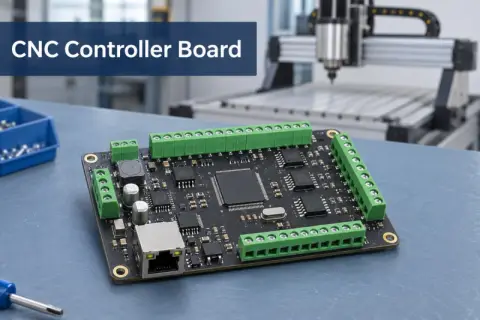 CNC Controller Board Design: Interfaces, PCB Specs and Assembly Testing
 Stratasys and Nano Dimension End $42.5 Million Markforged Sale Agreement