AXT and Stärke-AMG Plan Adelaide SAF 3D Printing Capacity
The agreement pairs a Stratasys H350 installation with material development and customer programs for additive manufacturing in South Australia.
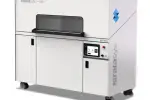
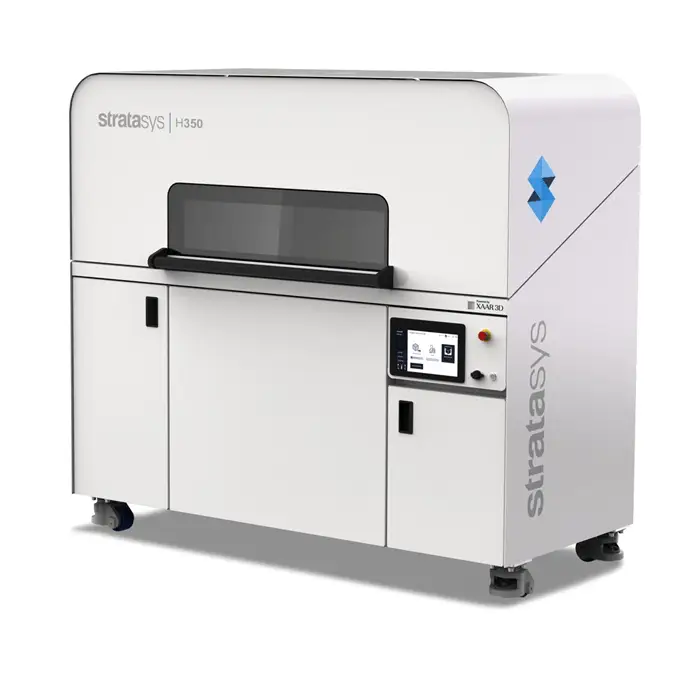
AXT and Stärke-AMG are planning a South Australian additive manufacturing hub around a Stratasys H350 polymer printer at Stärke-AMG’s Adelaide facility. The agreement combines equipment deployment with application development and joint customer work, giving the partners a local base for polymer parts made through powder bed fusion and a separate route using durable FDM materials.

The companies signed a Heads of Agreement to expand Australian production capacity for aerospace, autonomous systems and industrial applications. Their plans also cover defence-related work. AXT supplies scientific and industrial equipment, including industrial 3D printing systems; Stärke-AMG brings manufacturing operations at its Adelaide site. The arrangement is intended to connect those capabilities through subsidised development pathways for applications produced on the H350.
Two polymer processes, distinct material programs
The H350 uses Selective Absorption Fusion (SAF), which forms polymer parts from powder. Its supported materials include PA11, PA12 and polypropylene, and its build volume is 315 x 208 x 293 mm. Those specifications define the machine’s material and part envelope; they don’t establish whether a particular component will meet its intended service requirements. The partners will need to develop and assess each application for its own operating conditions.
AXT and Stärke-AMG also plan work with 100% recycled SAF materials for industrial initiatives and carbon offset programs. The stated plan identifies a material-development direction, but gives no details on which recycled feedstocks will be used, how they will be processed, or what properties the resulting parts are expected to retain. Those details will matter to manufacturers assessing repeatability and suitability for production.
A separate materials effort involves ASA Camouflage Green 383 and Tan 686A, described by the partners as the first Australian use of these in-field durable FDM materials. FDM is a distinct process from SAF: it forms parts by depositing material rather than fusing powder. The ASA program therefore adds another manufacturing route to the collaboration, rather than expanding the H350’s material set.
From printer installation to qualified production
Small, scalable drone prototypes are among the first applications identified by the partners. They plan to use the prototypes to demonstrate additive manufacturing for autonomous systems and lightweight production structures at Land Forces 2026. That makes the early work a demonstration of application potential; the agreement does not give production volumes, qualification results or performance data for the prototypes.
For engineering teams, the practical distinction is between making a part and establishing a repeatable production process. Material selection, part geometry, process settings, post-processing and inspection all affect whether an additively manufactured component can meet its requirements consistently. The agreement describes equipment, material development and customer engagement, but does not set out qualification criteria or a timeline for production approval. Those are key details to watch as projects progress from prototypes toward recurring supply.
Joint customer development and industry engagement are also part of the plan, alongside bids for defence and grant-funded programs. The subsidised development pathways could help customers evaluate applications before committing to a production process. The terms of those pathways, including which development costs they cover and how projects are selected, have not been specified.
Local manufacturing capacity can shorten the distance between application development and production, particularly when parts need iteration or technical support. But locating a printer in Adelaide alone doesn’t establish supply resilience: material availability, machine uptime, inspection capability and a qualified workflow also shape what a site can deliver. The partners’ proposed hub will be more meaningful as those operational details become clear.
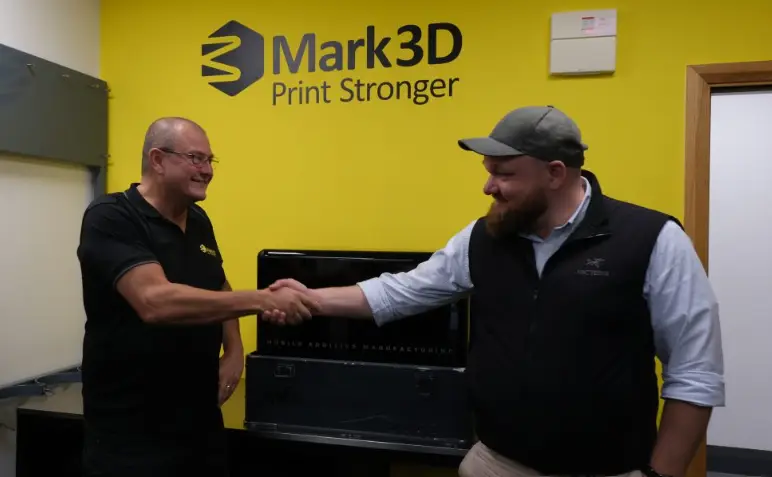
A separate example of local production planning appears in the accompanying image of Fieldmade and Mark3D UK representatives. Their collaboration has described portable and deployable additive manufacturing equipment for producing parts closer to where they are needed. The image provides context for distributed production models; it does not describe the AXT–Stärke-AMG equipment or arrangement.
For now, the Adelaide agreement establishes a framework: a planned H350 installation, SAF and FDM material programs, and joint work to develop customer applications. The next useful evidence will be details on installation, the parts produced, and how the partners verify that their processes can deliver repeatable results.
 Addivate Adds ROBOZE ARGO 1000 HYPERMELT for Larger Polymer Parts
 Fluke ii1050 and ii1030 Acoustic Imagers Add 202 Microphones for Industrial Inspections
 KIMM LED System Changes Object Colours While Keeping Room Lighting White