SpaceX’s 2027 Data Center Buildout: Sites, Power and Construction Pace
SpaceX’s data center plans point to more than 9GW of capacity, with rapid construction, on-site generation, batteries and new grid connections.

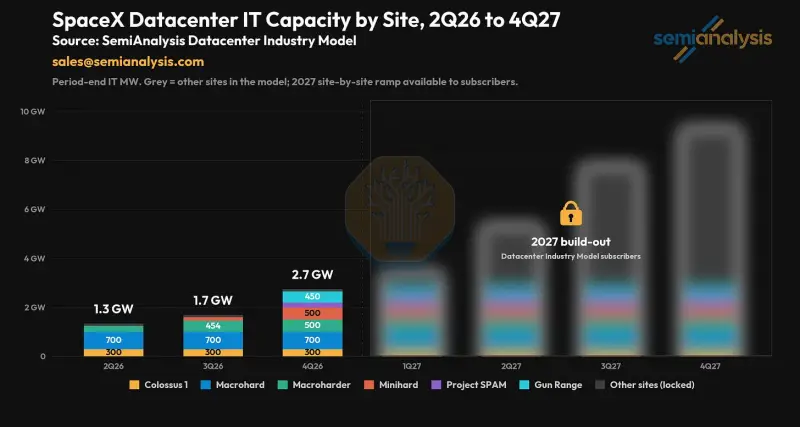
SpaceX’s data center expansion is taking shape across multiple sites, with more than 3.6GW under construction and a revised estimate of about 13GW for 2027. SemiAnalysis says it has identified more than 9GW of potential capacity. If those estimates hold, the buildout would rank among the largest single-company additions of data center capacity in such a short period.
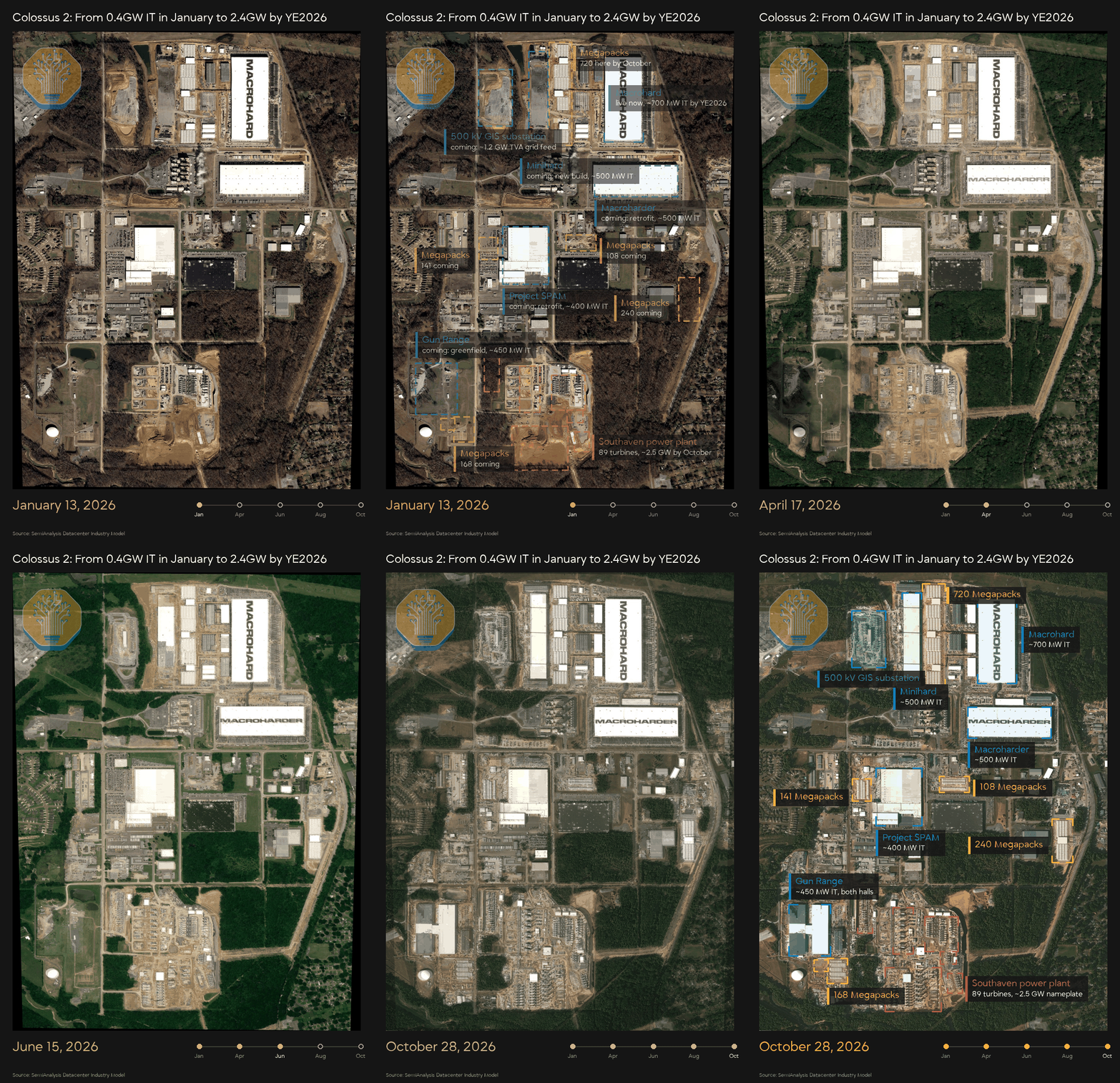
The central engineering challenge is coordination: buildings, compute equipment and power systems are advancing on overlapping schedules. Some sites are being prepared before their final power supply is settled, while others combine on-site turbines, battery storage and utility connections. The result is a buildout that appears to rely on fast construction and flexible power arrangements as much as on sheer scale.
Several sites are moving at once
At Colossus 2 in Mississippi, the expansion includes Macrohard, MiniHard and another building known as Project SPAM. MiniHard in Memphis reportedly took about five months to build. A nearby plot nicknamed “Gun Range” is estimated to take roughly four months. Those schedules are well below the 8–12 months the analysis cites as common for comparable builds at scale, though the estimate is not a completed construction record.
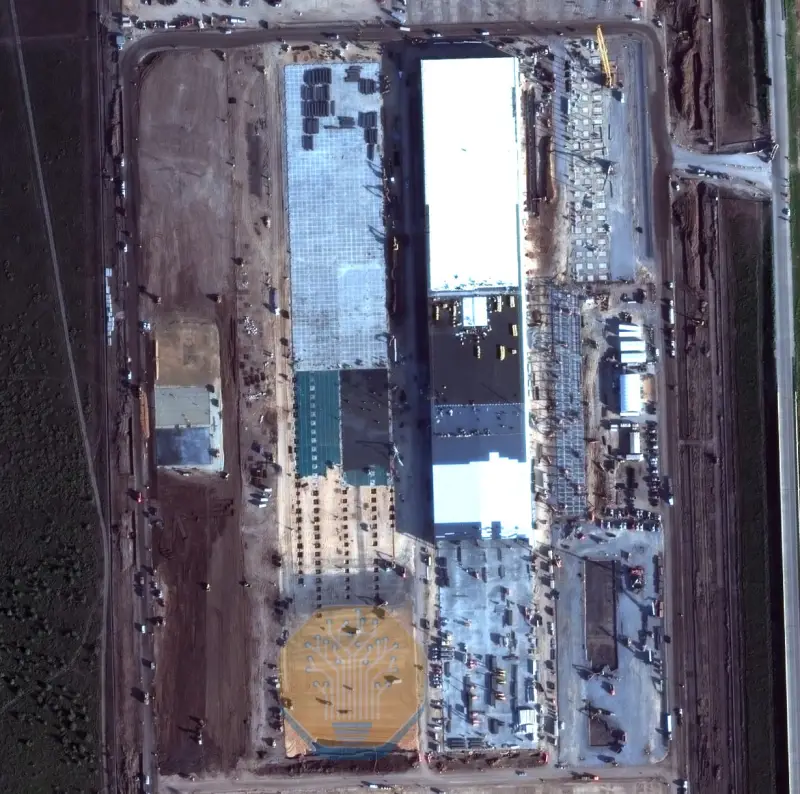
SpaceX’s earlier Colossus builds set a fast pace for its own expansion. The first Colossus 1 retrofit delivered 150MW in 122 days; Colossus 2 took 91 days to reach 210MW. Project SPAM began construction on October 5, 2026, with its first equipment tranches targeted for December. If that schedule holds, it would be faster still.
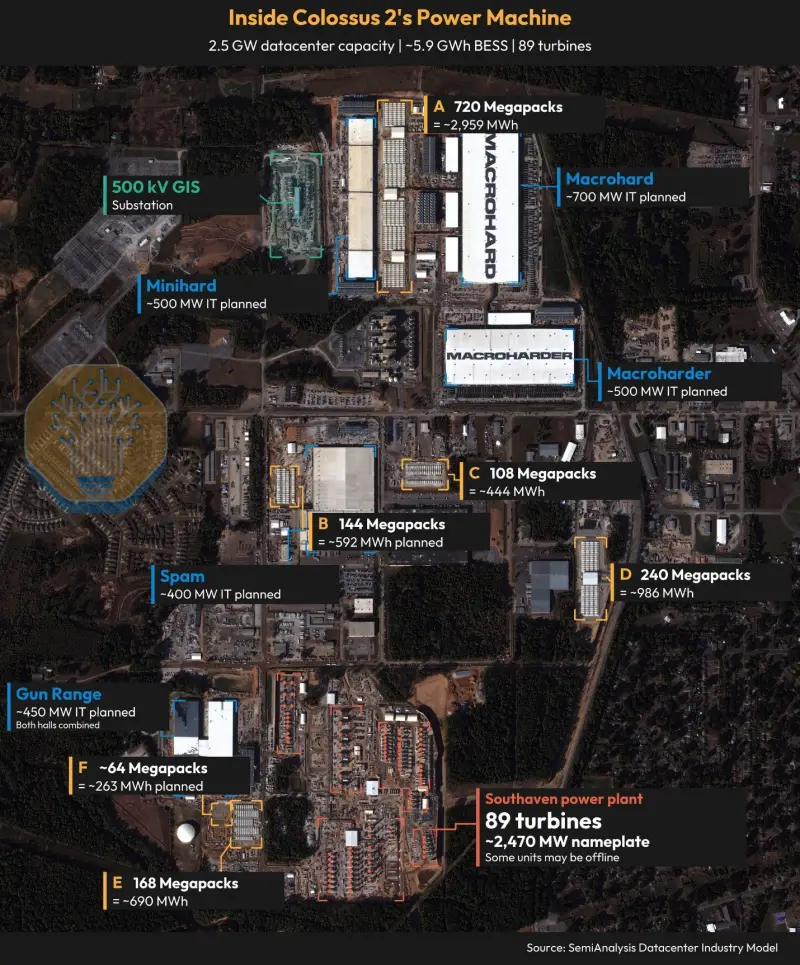
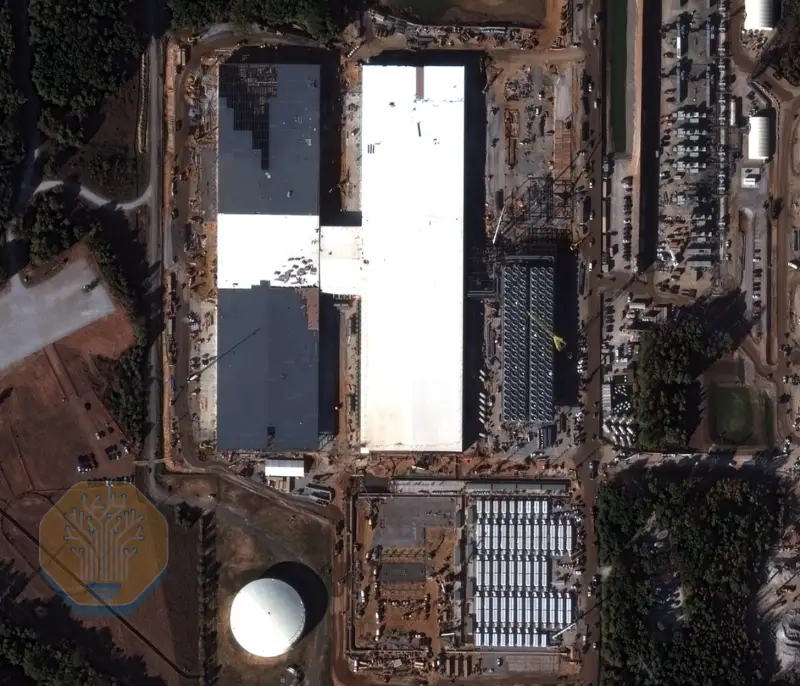
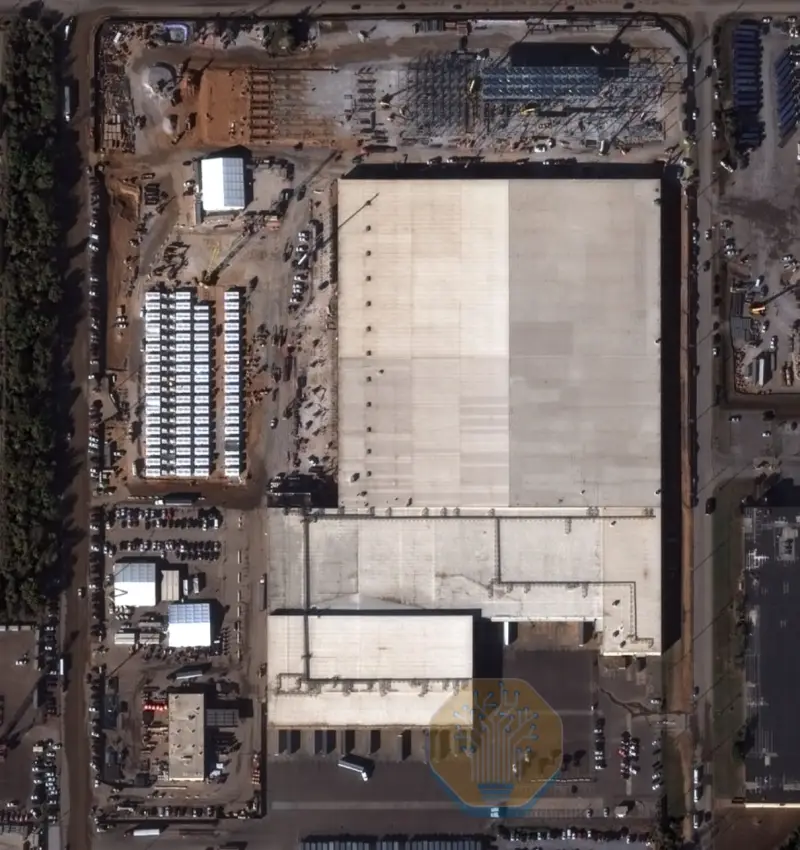
Project SPAM sits within the Colossus 2 site. Images cited in the analysis show chillers and Tesla Megapacks already being installed, suggesting that cooling and power storage are progressing alongside the building work. The project’s schedule will show whether those parallel workstreams can support the compressed timeline.
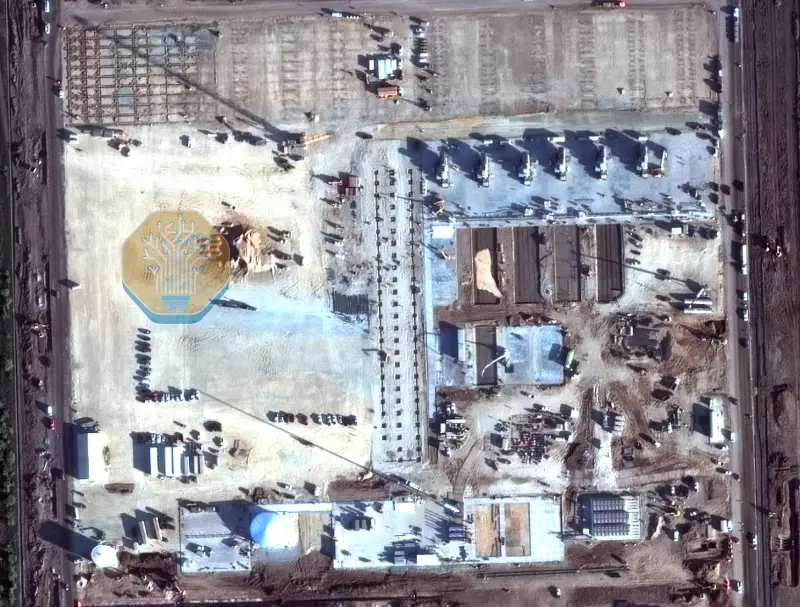
The expansion also reaches beyond existing data center campuses. At Starbase, Texas, two data center buildings are under construction on a site traditionally used for rocket production and launches. Ground clearing began at the end of August 2026, followed by vertical construction by the end of September. The analysis expects data hall fit-out work to begin in the following weeks.
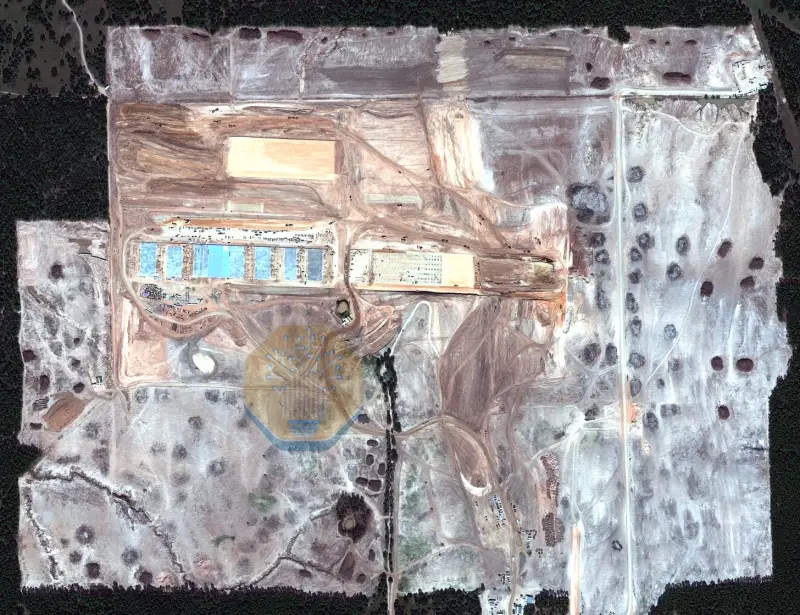
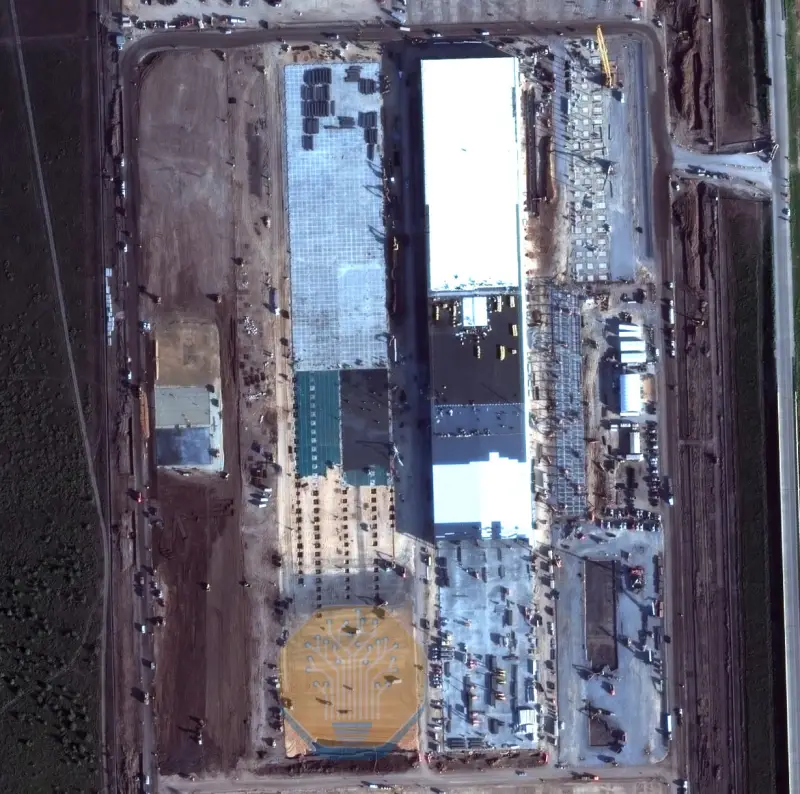
The larger of the Starbase buildings has a steel frame going up, with roofing work following behind. The second area is moving from site preparation toward construction. The analysis estimates that the campus could exceed 1GW, based partly on the apparent scale of the buildings and a 2027 deployment timeline. That capacity remains an estimate, and the site’s final configuration is not yet clear.
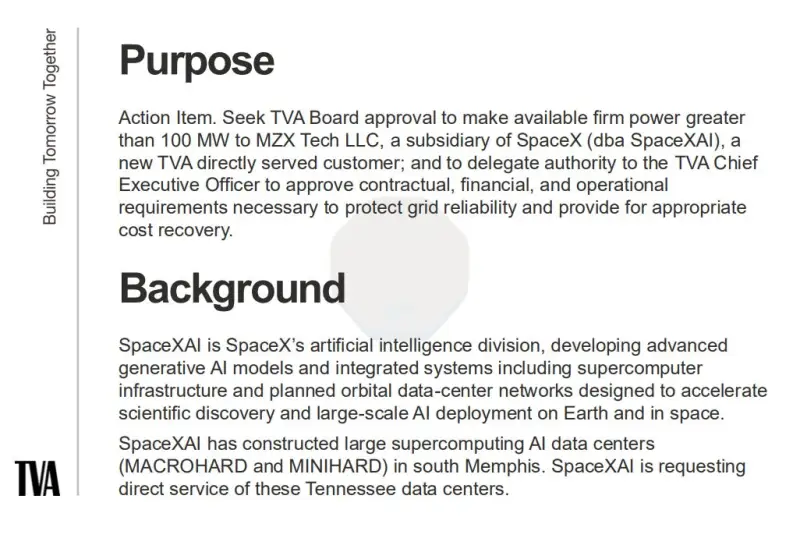
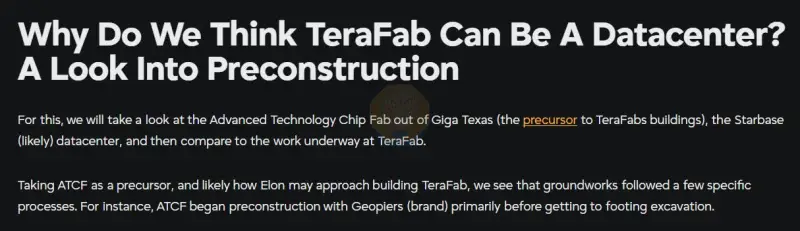
TeraFab, a planned 100-million-square-foot chip fabrication project in Texas described as a 10GW-plus effort, may also include data center capacity. SemiAnalysis says the site initially appeared to be planned as a data center before shifting toward the chip fabrication project. Its current construction pads could still serve different purposes, and the analysis puts only medium-high confidence on a data center being built there. It also raises the possibility that some capacity could be rented to outside customers.
Power plans combine generation, storage and grid service
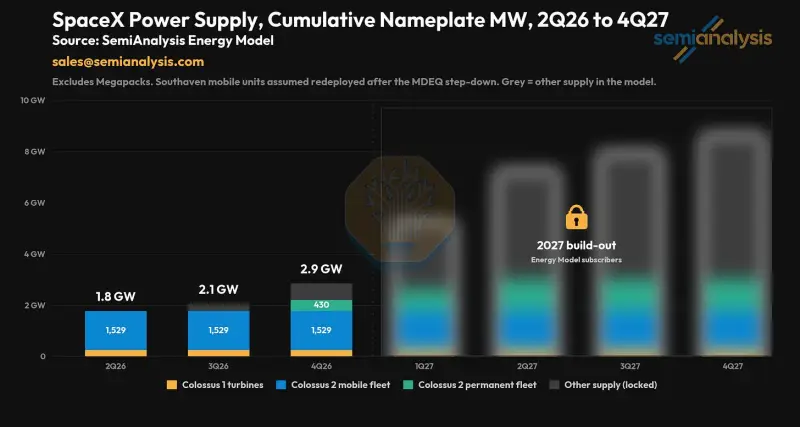
The power strategy varies by site. SemiAnalysis tracks more than 8GW of likely behind-the-meter capacity associated with SpaceX, compared with more than 9GW of total data center power coming online in its model. At Starbase, the analysis identifies equipment described as APRs being deployed about a month after vertical construction began. It estimates the site may use more than 1GW of these units, but argues that this would not cover the apparent scale of the campus.
Two pipelines are under construction at Starbase, and the analysis expects additional turbines. It also points to a reported fiber-optic route through the Port of Brownsville and possible plans to lease waterfront space. One possibility is that temporary turbines now at Colossus 2 will later move to Starbase; that remains an expectation, not a confirmed transfer.
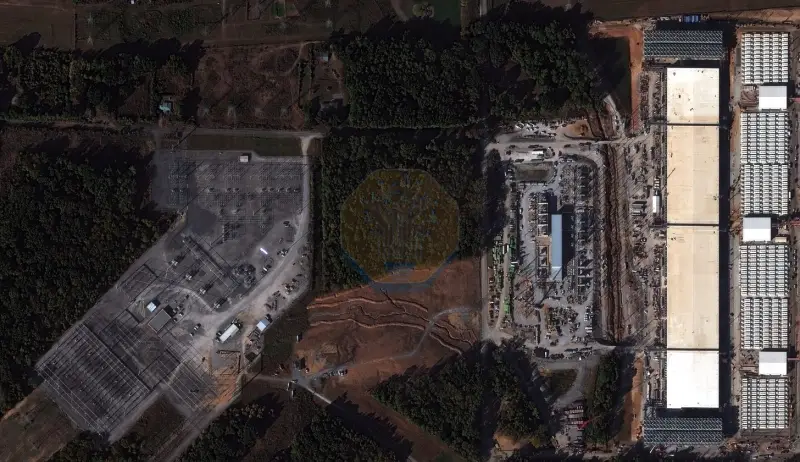
Colossus 2 is pursuing a grid connection alongside on-site generation. The analysis says Macrohard, at 700MW, and MiniHard, at 450MW, have both requested utility service. SpaceX is also building a 500kV gas-insulated substation near MiniHard, with construction scheduled to finish by December 31, 2026, and a connection planned to the Freeport substation.
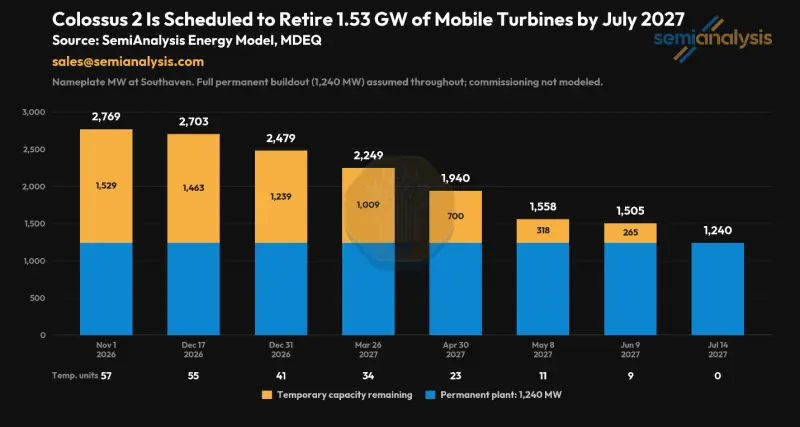
That connection matters because the Southaven power plant’s permitted nameplate capacity is scheduled to fall from 2.7GW to 1.24GW by July 2027 under a binding requirement signed on July 30, 2026. Even assuming the grid connection supplies about 1.2GW, the analysis sees a possible mismatch between data center demand and available generation. Nameplate output falls when equipment efficiency and operating conditions are accounted for, while a data center’s total facility load exceeds its IT load.
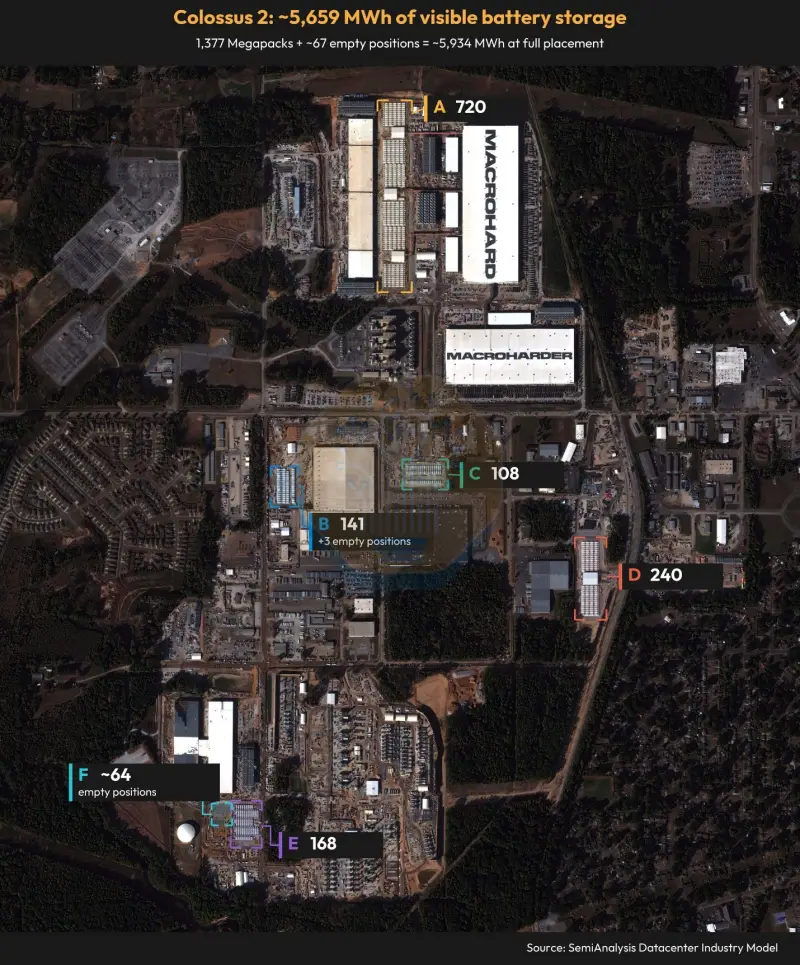
The proposed buffer is a large battery energy storage system. SemiAnalysis reports that 5.9GWh of battery storage is being installed at Colossus 2, with more expected. Its analysis suggests the batteries could help balance gas generation and compute demand, charging when turbine output allows and discharging when needed. The scale of this installation would make it one of the largest data center battery deployments, though the site’s final operating design is not established.
There may also be flexibility in how the compute is run. Customer-facing systems and internal training workloads can have different uptime requirements; the analysis suggests that service tiers could affect how much capacity the site can operate through power constraints. It also models a very low PUE of about 1.10–1.15 and notes that Project SPAM is expected to use half the fiber of other systems. Those assumptions could help explain a potential 300MW gap, but they remain part of the analysis rather than confirmed operating results.
Modular equipment could shorten the schedule
SemiAnalysis attributes the pace partly to the companies’ hardware and supply-chain capabilities. It estimates labor at about 3,000 workers per GW and suggests Tesla may be manufacturing modular mechanical, electrical and plumbing equipment for deployment at SpaceX sites. If that supply chain can deliver at the required rate, standardized equipment could reduce the delays that typically come with sourcing and installing large power and cooling systems.
The scale of the plan depends on several linked assumptions: buildings must come online quickly, power equipment must arrive in step, and different supply sources must work together. The clearest near-term indicators will be whether Project SPAM meets its December target, how the Starbase power system develops, and whether Colossus 2’s battery and grid infrastructure can support its projected compute load.
 AMD Venice Uses 2.5D Packaging to Feed More Bandwidth Into EPYC Zen 6
 CNC Controller Board Design: Interfaces, PCB Specs and Assembly Testing
 Stratasys and Nano Dimension End $42.5 Million Markforged Sale Agreement